
With great curiosity and inquisitiveness, I listen to singer Satinder Sartaj’s newest release, ‘Zafarnama’. I must applaud Sartaj for singing this legendary, celebrated, magnificent and multi-dimensional composition of Guru Gobind Singh so flawlessly. Pièce de résistance for me is the integrity of this exquisite versification (and as penned by the Tenth Guru Farsi/Persian) that Sartaj was able to maintain. Plus the tone emanated the essence of this powerful and venerated letter that Guru Sahib sent to the Mughal Emperor, Aurangzeb. For me, Gur Sahib’s fearless and resolute defiance of evil; reprimand of the emperor for tyranny & betraying his consecrated oath; eyewitness account of the fierce war of Chamkaur and its aftermath; his unequaled eminence despite his deep suffering, traumatic loss, and supreme sacrifice; all came thru. Zafarnama is an elegant, artistic and poetic and momentous play of words, by which Guru Gobind Singh passionately abjures tyranny, oppression, cruelty, subjugation, and injustice (which was prevalent in northern India during his time).
So what is this literary masterpiece? And what is the historical context in which it was written? For this to unfold we need to go back in history to circa 1705 AD.
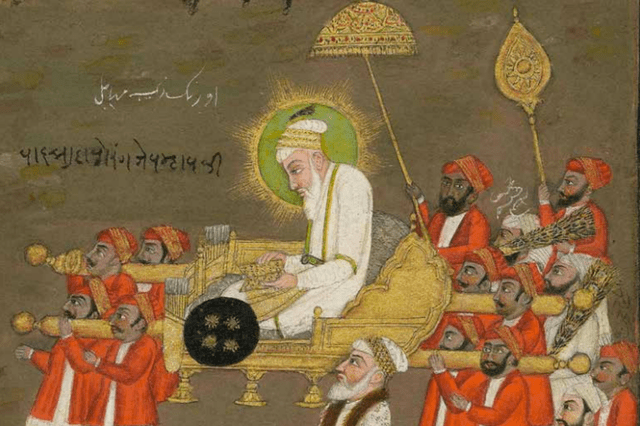
Aurangzeb 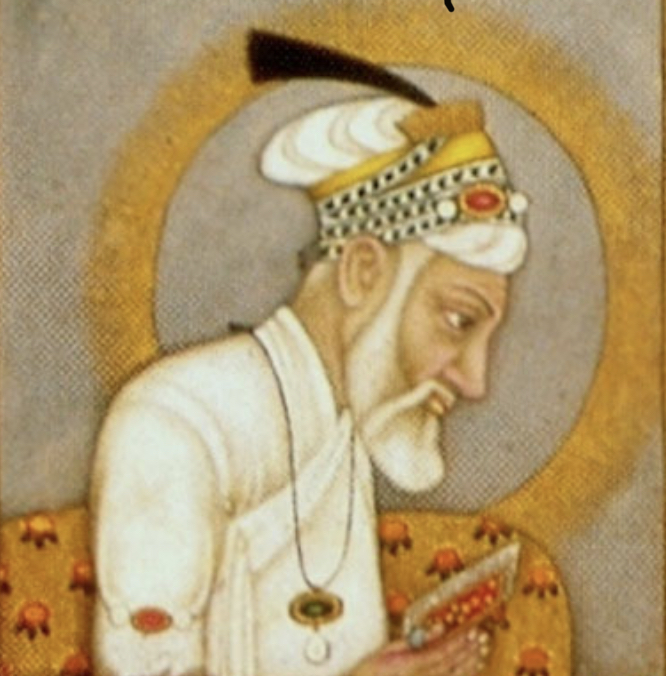
Aurangzeb
Aurangzeb, an aging orthodox Alamgir (emperor) has ruled India with an iron fist for five decades now. In 1659, he came into power after a coup, a savage succession, that included deposing his father (Emperor Shah Jahan) and imprisoning him at the Fort in Agra; decapitating his much beloved elder brother and heir apparent (Dara Shikoh); and murdering rest of his other brothers. Although, considered a very austere, pious and reverent regent devoted to a very puritanical interpretation of Islam, he is a hardliner and very intolerant to any non-muslim or minority beliefs, doctrines and theology. In his sultanate and rule, ‘Sharia‘ (Islamic law) was imposed; music, singing and alcohol was banned; and the ‘Jaziya‘ (a protection tax for non-muslims abolished from Akbar’s time) was reinstated. Plus, non-believers were meted with violent subjugation, discrimination, persecution and as well as coerced conversions. Furthermore, it is during his reign that in 1675 AD, Guru Tegh Bahadur (the ninth Sikh Guru) and his devoted companions, were barbarically tortured and killed in a very macabre manner (for providing protectorship and security to Kashmiri Pundits who sought his refuge fleeing zealous & forcible religious conversions, and for his declinature of the emperor’s offer of conversion to Islam in order to spare him his life). The Guru was publicly beheaded, and his loyalists (while still alive and in front of the Guru’s eyes, to serve as a deterrent) were sawed into half (Mati Das), boiled in a cauldron (Dayal Das), and burnt wrapped in cotton-wool (Sati Das). The Guru gave up his life but not his principles (Sis Diya Par Sirr Na Diya), and for this noble altruistic sacrifice that protected the fundamental rights of mankind, Guru Tegh Bahadur is also called the ‘Hind-Ki-Chadar’ (Shield-of-India).
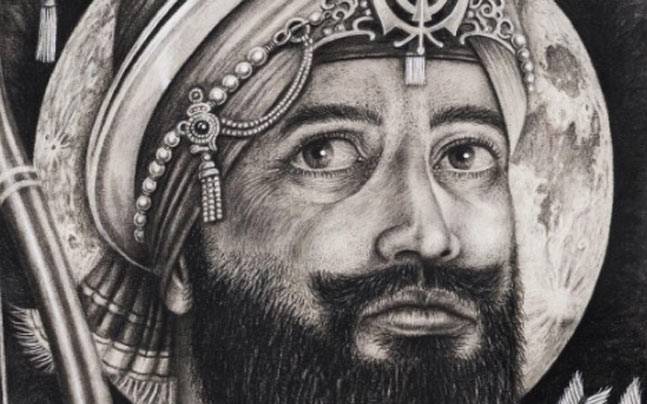
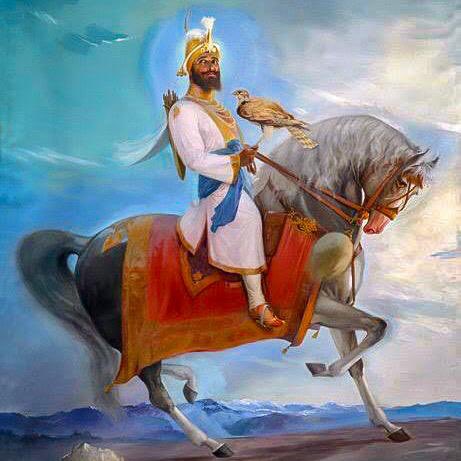
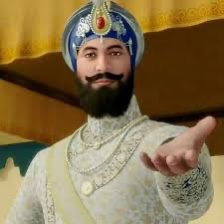
Now at the tender age of 9, Gobind Rai became the tenth Guru of the Sikhs. Recognizing the abject fear that this heinous crime instilled in the hearts of the Sikh followers and when taunted by the emperor’s men, it precluded them from even identifying themselves as Sikh loyalists and to claim the slain body of their Guru so that proper funeral rites could be administered). This event, compounded by the rampant oppression and tyrannization that existed in the kingdom, compelled Guru Gobind to forever transform and change the path of the faith. He had the premonition and foreboding that ridding the subcontinent of evil, depraved and immoral personages, would require minds that were disciplined and steady, detached and indifferent to death, devoted with limitless courage. He knew, and let known) that this would not be an easy path with his maxim, ‘Jin Prem Kiyo, Tin Hi Prabh Payo‘ (One Who Truly Loves, Realizes The Divine). He built upon the saint-warrior foundation laid by Guru Nanak, the First Sikh Guru, who chapioned honest and truthful conduct, ethical and principled living, and above all equality for all.

Consequently, during the harvest festival of Basakhi, Guru Gobind created a new Sikh Order, a new fraternity of soldier-saints, whom he called the ‘Khalsa’. He did this very dramatically! On 30th March 1699, he mandated all his followers to assemble at Anandpur Sahib, and at the peak of this revelry, he appeared with an unsheathed drawn-out sword, and asked for volunteers willing to give up their lives for the Guru. A sudden sullen silence engulfed the gathering. When the Guru repeated his demand, Daya Ram volunteered, and he was escorted into the tent. After some time, Guru emerged with fresh blood dripping from the blade, and asked for a second volunteer. In all, he did this for a total of five times. It concluded with the Guru revealing to the congregation, in flesh and blood, these five volunteers who demonstrated their staunchest devotion, loyalty and commitment (and the blood on his sword of an animal).

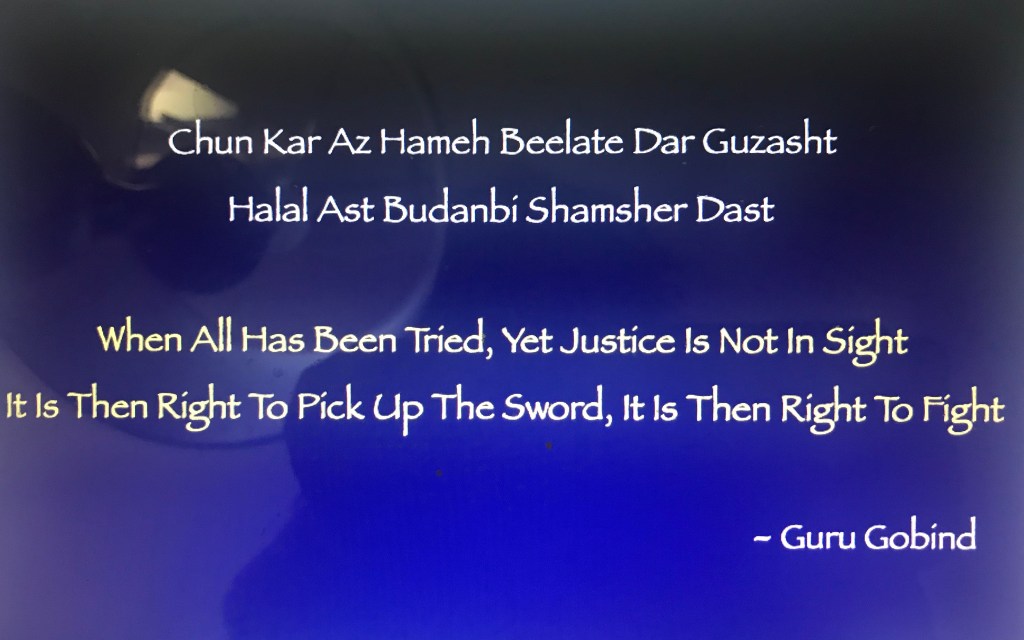
He called them the ‘Panj Pyare‘ (Five Cherished), and they were the first initiates into this new order of the Khalsa, who then in return baptized the Guru, as the sixth initiate, and he went from being called Guru Gobind Rai to Guru Gobind Singh. He also blurred the lines between Guru and the Khalsa (Khalsa is the Guru and Guru is the Khalsa, he recited), even interchanged/reversed them (Guru is also the disciple, Gur-Chela). During this ceremony, he gave the ‘council of five Sikhs’ (Panj Pyare) collectively the authority to dictate to all Sikhs and ordered that their their edict (Gurmatta) must to be obeyed. Plus, to build on the equality principles, all men were to be called ‘Singhs‘ (Lion) and women ‘Kaur‘ (Princess). The dress, articles of faith (including the 5K’s), scriptures, poetry, ballads, etc., were to make the Sikh stand out so that they intervene when any injustice is being carried out (and unable hide in masses), ensure battle readiness, adherence to the highest code of conduct, and the ability to make the ultimate sacrifice. To me, what sums the martial tradition is verse 22 of Zafarnama, where it makes reference to the sword, as an holy ferrous sacrament, to protect the weak, but only when all peaceful means have failed! And this is how Guru Gobind Singh took a minority religion and made them the best fighting force that world has ever seen.

Coming Next – Part 2: The Epic Battle of Chamkaur, Aftermath and The Rebuke…
References –
https://www.newworldencyclopedia.org/entry/Guru_Gobind_Singh
https://www.bl.uk/sacred-texts/articles/origins-and-development-of-sikh-faith-the-gurus
 Erudite Kahani