An Overdue Honoring on Remembrance Day…

Babaji Indar Singh

Today, on this Remembrance/Veterans Day, the world celebrates and honors the fallen soldiers of the Great War. It also commemorates the day Armistice was signed that brought World War 1 to its end. In this sea of poppies, which is considered a symbol of sacrifice, I too want to recognize and pay tribute to my ancestor Subedar Indar Singh, who saw the various theatres of war fighting the Germans in Flanders & Western Front and later the Ottoman Empire in Mesopotamia.
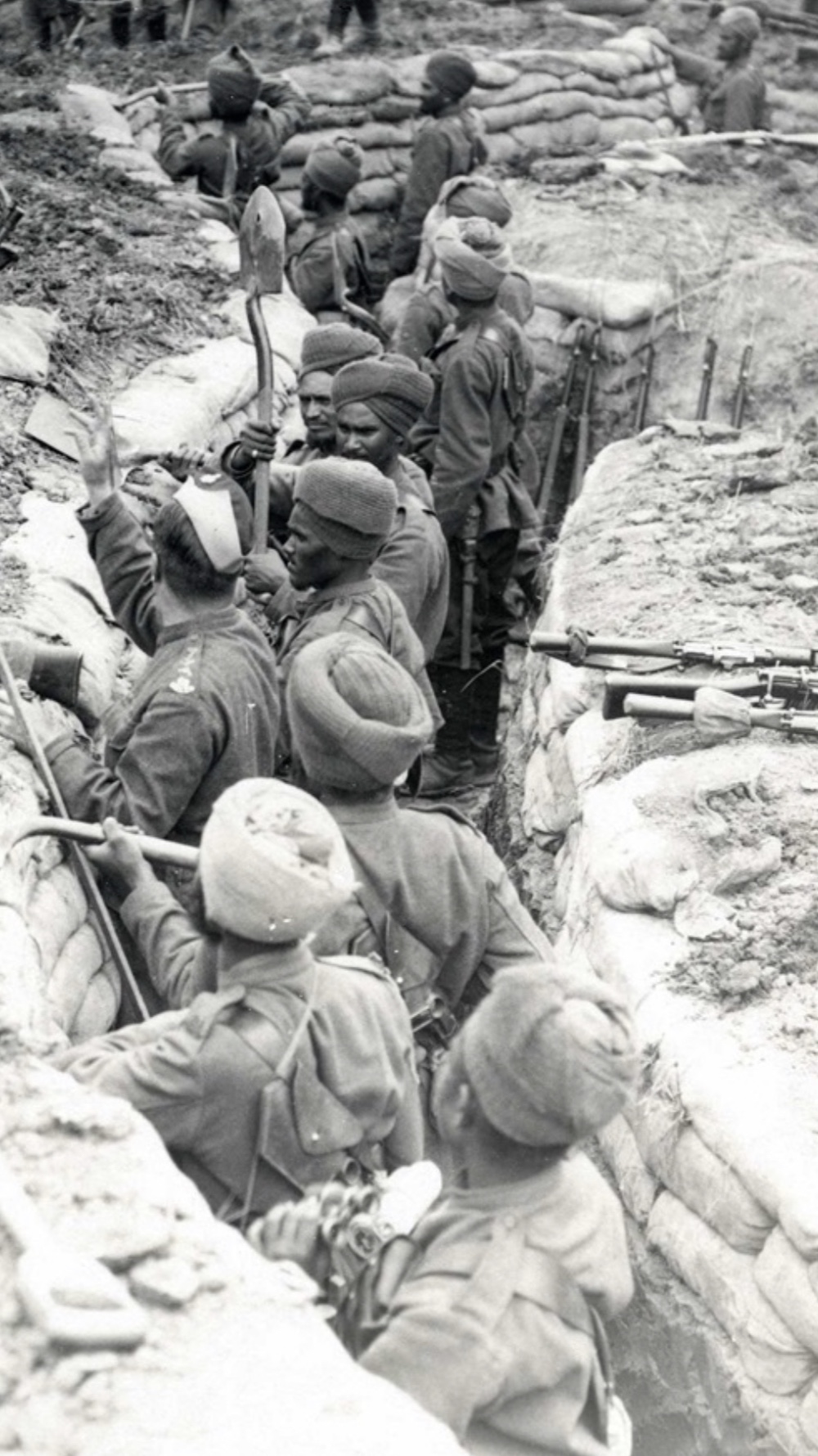


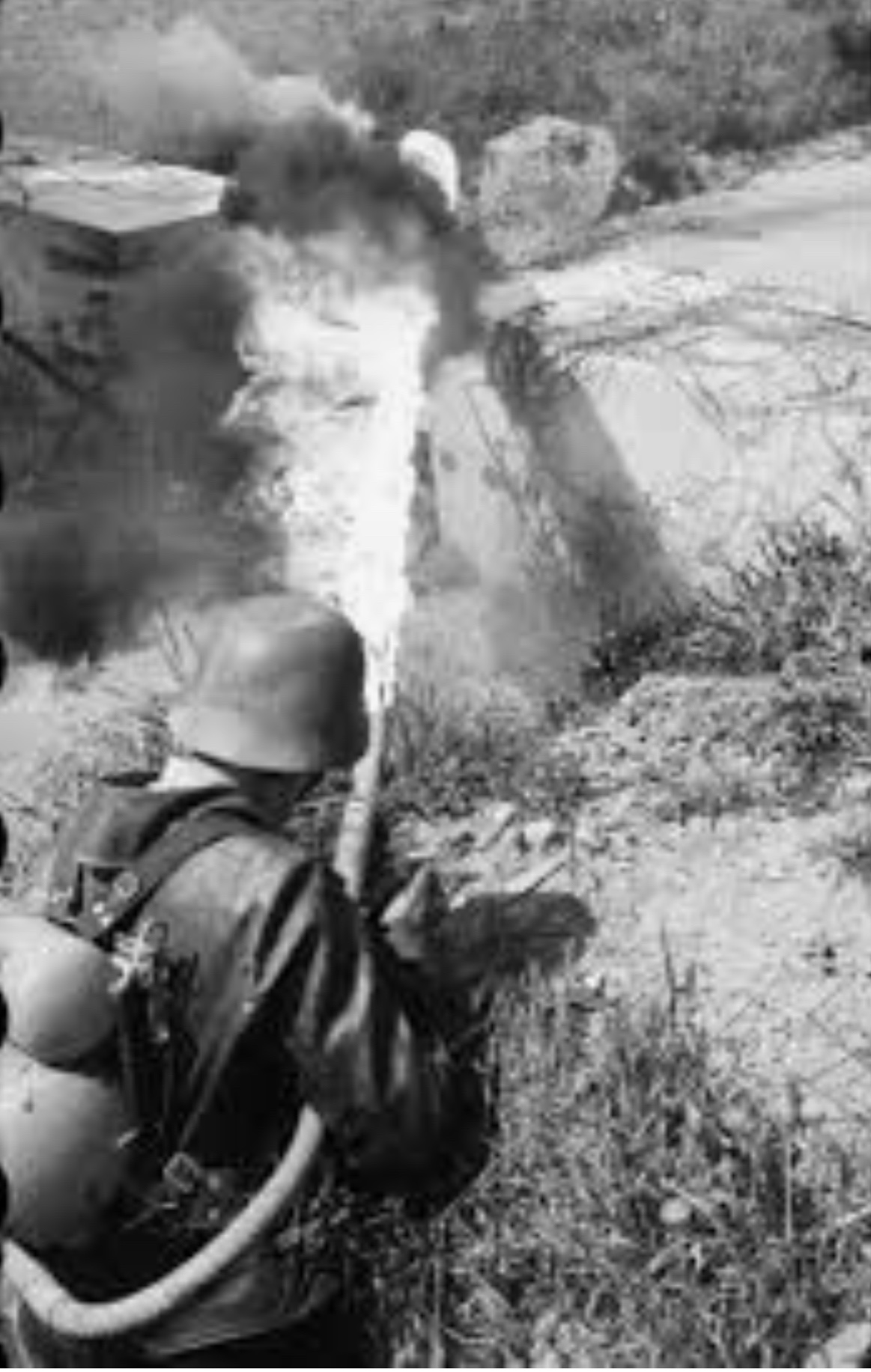
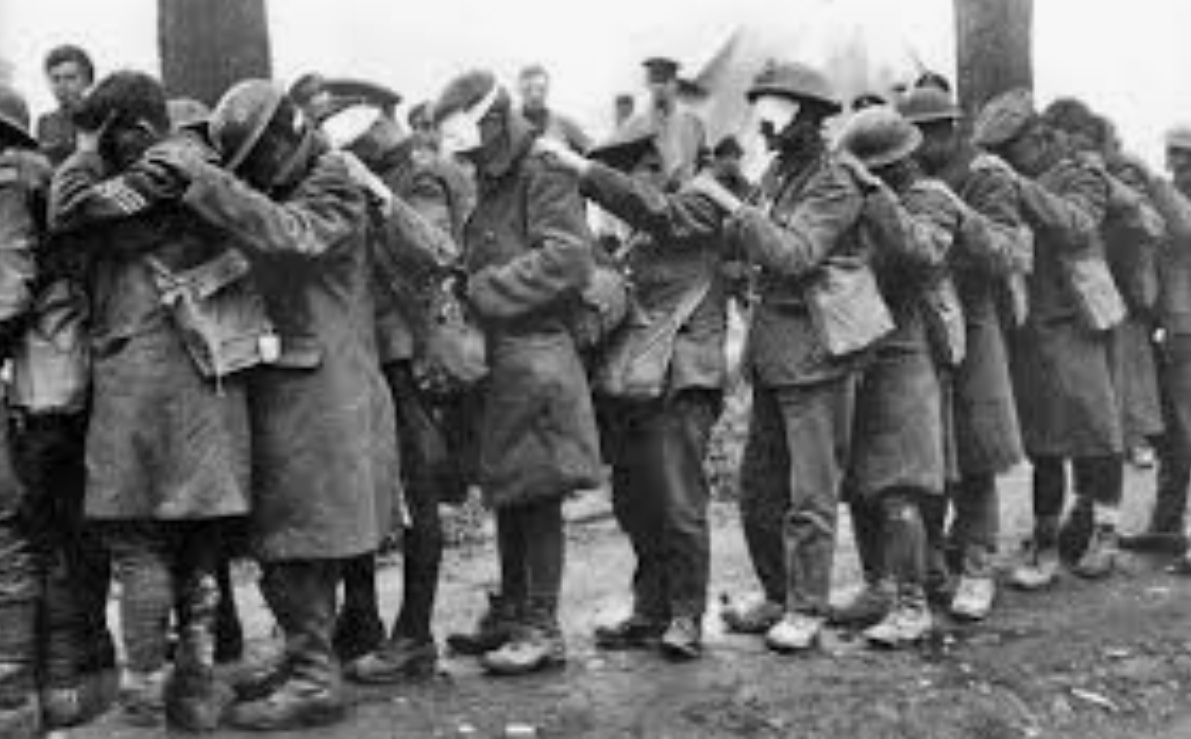
Part of Indian Expeditionary Force (34th Sikh Pioneers, Lahore Brigade), saw action very soon after landing in France (October 1914). As a specialized infantry regiment with expertise in engineering and construction in addition to being conventional infantry men, they quickly supported building and fortification of trenches, establishing communication lines and other infrastructure. Eager to fight, this was the first time these men from India were exposed to ‘Trench Warfare’. Needless to say, the conditions were deplorable! The trenches were mostly waterlogged; full of mud and slime that not only jammed their rifles but also caused them to develop ‘trench foot’ (and led to many a foot amputation). Add to that inclement weather for which initially they didn’t have proper protection (and they had to contend with their summer-grade Khaki uniforms, not ideal for European fall/winter weather). In addition, the trenches were filled with rats competing for their meager rations, and the soldiers had to endure instances of body-lice breakouts! There was the ‘Trench deadlock’ and to gain a few yards, each side of the warring factions faced each other across the no man’s land, and 24/7 launched repeated & aggressive trench attacks, saps and raids. This was aided by heavy artillery bombardment, constant bursts of machine guns, grenades and mortars attacks, arial bombardment and tanks ( although in their infancy), and snipers galore. Of the German armament, ‘Minenwerfers’ (mortar bombs) were the most dreaded. They were effectively used to clear obstacles, bunkers, barbed wires, parapets, sentry positions, etc., and once launched it could be heard coming and with it’s sound getting louder and louder as it approached and then exploded with great power creating a crater as big as a room! It’s psychological impact was so huge that ‘Shell-shock’ was officially recognized by the medical and psychiatric communities. As the war progressed there were even more fearsome weapons such as the ‘Flammenwerfer’ (Flamethrower) that threw/hurtled sheets of flame and smoke towards the trench soldiers and in essence burning them alive! Also, for the first time chemical warfare in the form of large-scale use of lethal poison gas where liquid chlorine was used (second battle of Ypres, 1915) followed shortly afterwards with mustard gas. Needless to say that despite such destruction and horrific conditions, neither side made any meaningful gain! Instead, both sides amassed massive and crippling casualties! Shrapnels, fragments, bullets, bodies and injured everywhere!

Having said that, the ‘Battle of Festubert’ (on November 23-24, 1914), was very pivotal for my ancestor and his regiment. According to Iain Smith (Sikh Pioneers and Sikh Light Infantry Association UK), it was the worst day for the regiment on the Western Front. They were told to take over the German trench at all cost! In the thinly manned Allied Line, the German attack decimated the 34th! 9 out of 12 British Officers were killed, wounded or went missing. Same happened to the men. Only the very experienced soldiers survived and they were instrumental in keeping the morale high and normal functioning of the regiment. One of those Indian officers was Indar Singh, and the regimental records show that he got promoted from Jemadar to Subedar on November 24th, 1914. Also the regimental effort and sacrifice was honored by the King and ‘Royal’ was added and thus the regiment was called the ‘34th Royal Sikh Regiment’. Very few regiments have been honored in this way. Also, at some point, he also received the Russian imperial order of St. Stanislaus (which was reciprocal award amongst the Allies). Plus, there has been a family story that has passed down thru the generations, that he carried his injured commanding officer (CO) 5 miles to safety. In my research, it so turned out that the men did indeed carry their CO Col. GHF Kelly 5 miles to be buried in the cemetery at Beuvry Cemetery, I am assuming my ancestor was one of those men!

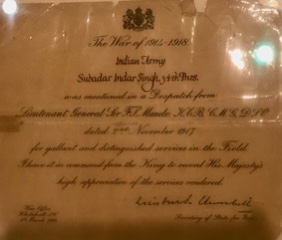
In 1917, the regiment was sent to Basra/ Mesopotamia to take part in the Ottaman empire offensive. During the ‘Battle of Daur’, General Maude mentioned him Despatch (November 2, 1917). In Kut Al Amara, he eventually got wounded with a bullet lodged in his spine. He was sent home as a war-wounded and soon afterwards, he succumbed from his war injuries during the second wave of the Spanish Flu (Oct-Nov, 1918)
Continue reading “An Overdue Honoring on Remembrance Day…”

In India’s Folk Songs, Echoes Of WW1 (WSJ Article by Karan Deep Singh)

As I am doing research on WW1 and have been able to trace my GGF Subedar Indar Singh to the western front at Festubert and Neuve Chapelle,  I came across this fascinating article Karan Deep Singh that I would like to share with you.  To access the original posting, please the click this link –  (Original articleWSJ)


In India’s Folk Songs, Echoes Of WWI

                                   — Karan Deep Singh 

A century after World War I — a conflict in which some 1.3 million Indian soldiers fought — echoes of the Great War can still be found in fading folk songs and poetry once popular in corners of rural India.

Academics have long been intrigued by the expressions of love, separation and death imbedded in Indian folklore from the time, particularly in Punjab, an area that contributed nearly half of the Indian army’s volunteer soldiers then. The songs and poems were typically sung by women.

Recently, a London-based poet Amarjit Chandan has been translating some of the works and reciting them in public addresses and performances. “Nobody ever talks about them, not to speak of singing them,” he says. He attributes that partly to a sense of shame over the fact that the soldiers had fought for the British Empire, a colonial oppressor.

Many of the songs are heart-wrenching accounts of women left behind, longing for their husbands, brothers and sons to return from “l’arme,” or  “war” in Punjabi — a word, interestingly, that was adopted widely into the Punjabi language around the time of World War I and is based on the French word for “weapon.”

Here is an excerpt from one song as translated by Mr. Chandan. The word challa would be translated as “my darling”:

Challa here comes the lorry

I carry a heavy basket on my head

I stand and wait for him on the road

With tears in my eyes

Some songs display fears among women that the British were losing the war to Germany. Rawail Singh, a professor in the Punjabi Department at Delhi University, says anti-German sentiment expressed in folk wisdom from the time likely reflects the view of Germany as evil for starting the war.

An excerpt from one such piece:

May you be defeated, O Germany

You have taken my man as a prisoner

May you be wiped out, O Germany

Who has torn the sisters apart from their brothers

The power of folk music wasn’t lost on the military. A popular song of the time, performed and recorded by Bhai Chhaila Patialewala, a famous singer then, was used in effect as an Army propaganda piece, according to Mr. Chandan. “It would have been played in village fairs and recruitment gatherings,” he says, urging the Punjabi men to join the war effort in return for benefits such as tastier food and better clothing.

Here is an excerpt as translated by Mr. Chandan. Roti refers, of course, to the flatbread:

The recruits are at your door step

Here you eat dried roti

There you’ll eat fruit

Here you are in tatters

There you’ll wear a suit

Here you wear worn out shoes

There you’ll wear boot[s]

“This song must be seen in the context of Punjab’s socioeconomic conditions at that time,” says Mr. Singh, the professor. People were poor, and the British offer of 11 rupees a month (just pennies today, but a more sizeable amount at the time) was tempting for would-be soldiers.

The Punjabi role in World War I is starting to draw wider attention today, a century after the conflict. Recently the singer Daler Kaur covered one such song, “Ve mur aa lama ton,” the title of which translates loosely as a woman calling on a loved one to return from war. It was originally sung by Surinder Kaur and written by Punjabi poet Kartar Singh Blaggan.

And the noted Punjabi playwright Atamjit (who uses one name) says he has begun research for a full-length play based on the war. The main focus, he says, will be on remembering the loss of lives as told through from the Punjabi community. “We owe a responsibility to remember. It is already too late,” he says.

The Raj, Wars and My Paternal Ancestors…


This slideshow requires JavaScript.

Last month was special.  I came across some of my ancestor’s military service documents, commendations, awards/medals, etc., for the empire days (majority of which didn’t survive partition of India and the great migration that ensued in 1947).  I was most excited about two notable documents – First, being a 130 year old enlistment certificate from the reign of Queen Victoria of my great great grandfather Sawan Singh, and second, a WW1 commendation certificate of my great grandfather Indar Singh signed by Sr. Winston Churchill (the then secretary of war). This month we also celebrate the 100th Armistice Day marking the end of World War One.

It reviewing the documents, it appears that on October 5th, 1888, my great- great- grandfather Sawan Singh enlisted in the ‘34th Sikh Pioneers’, an infantry assault regiment of the British-Indian army. I remember Manji (my great grandmother) telling us that Babaji Sawan Singh had a very long and illustrious service, that he was a Subadar-Major (which is the highest rank an Indian could attain in the Imperial armies at that time), and that he was awarded a land grant of 5 Murraba (125 Acres) in the village of ‘GB Chak No. 232’ in Lyallpur district (now in Pakistan).She also talked about all the memorabilia he brought from his various deployments, especially the Chinese storage boxes (Sandooks) and Peking Silk that had to be left behind during the hasty migration of 1947.  My research shows that some of his deployments would have been ‘relief of Chitral’ (1897), ‘Tirah Campaign’ (1897-1898), China ‘relief of Peking and Tientsin’ (1900-1901) following the boxer rebellion, etc.

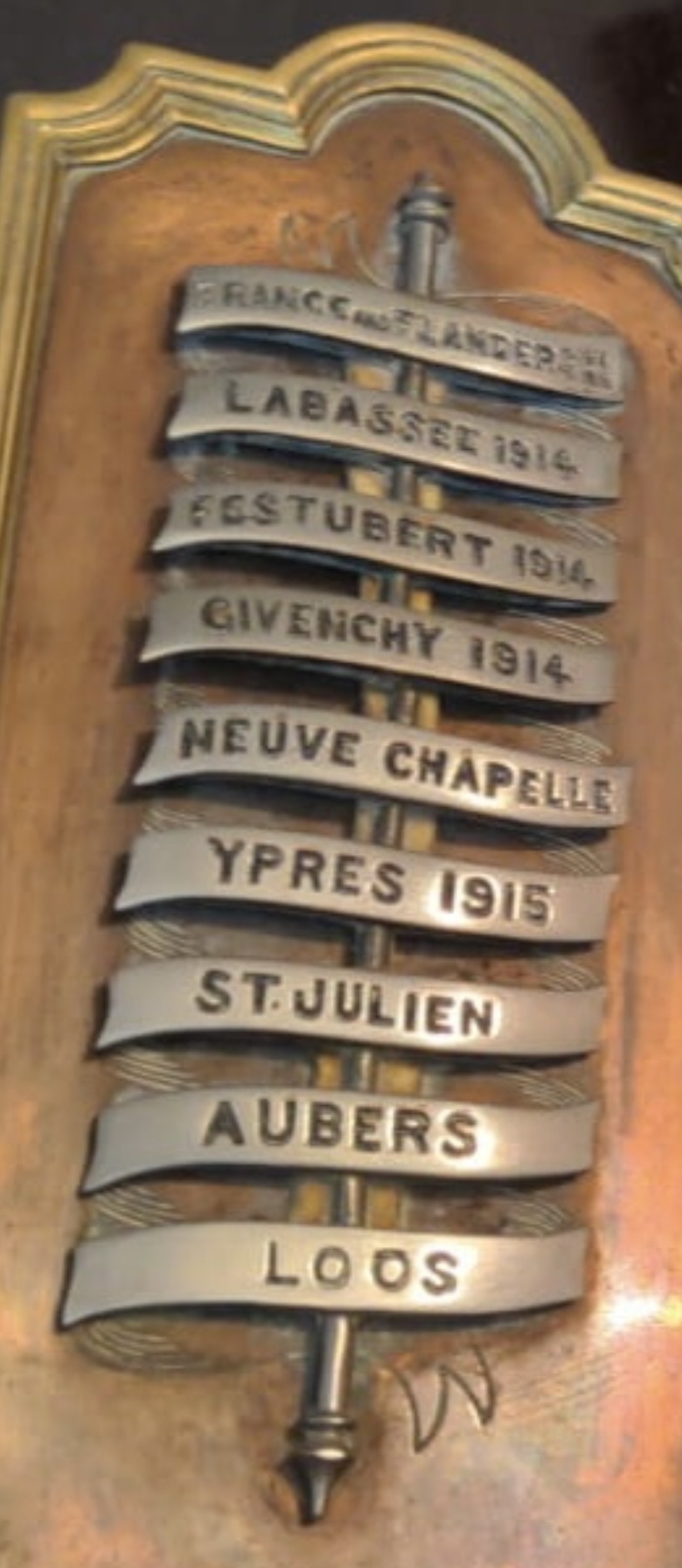
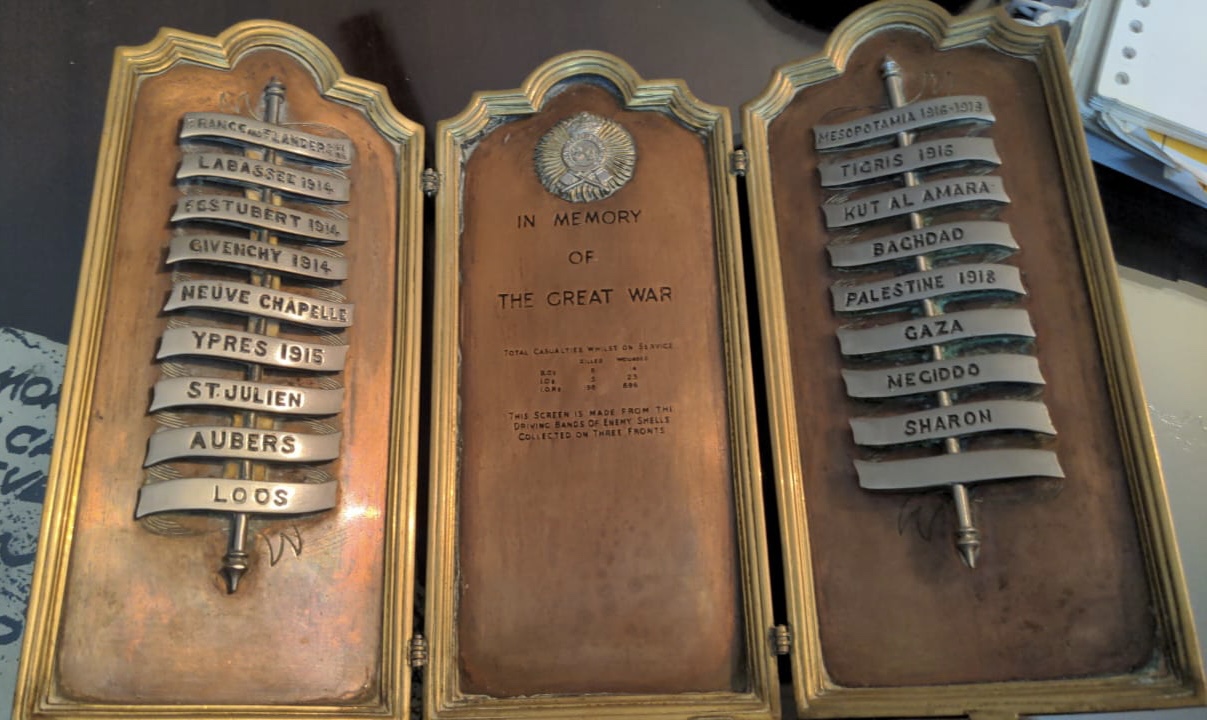
Indar Singh, my great grandfather, also followed in his father’s footsteps and enlisted in the 34th Sikh Pioneers.  During the ‘Great War’ of 1914-18, his regiment (part fo the 3rd Lahore division) was first deployed on the Western Front and winning the battle honors of Festubert, St Julien, La Bassee, Armentieres, Givenchy, Neuve Chapelle, Ypres, France and Flanders, and then moved to the Middle East in the Mesopotamia Campaign where he fought against troops of the Ottoman Empire.  Manji used to mention that he showed great bravery in the battlefield, and despite being wounded himself, carried his commander to safety.  He returned home shortly thereafter as a war-casualty, and later succumbed to his injuries at home, during the month of ‘Kata’ (Punjabi month that straddles October/November), in 1918 during the deadly ‘Spanish Influenza’ outbreak.  Although Manji was pregnant with my grandfather when he passed away (so he never got to see his son).  Manji stated that he was tall (6’ 4” or 6’5″), good looking, and also a Subadar-Major like his father.  She would also talk about her wedding (she being his second wife), going to Ambala Cantt (the base of his regiment) where he was stationed as a Jamadar-Adjutant (which she pronounced Jamadar-Jitten).  She also shared of her good relations with his first wife Rattan Kaur and her stepdaughter Kamal Kaur (my father also remembers Bhauji Kamal Kaur very fondly).

Although these artifacts & stories made me aware of their rich lives and legacies, it also makes me wonder how they would have been in person.  Although history may not give them the proper dues, I for sure have a greater appreciation, respect and awe of their bravery, sacrifices, and courage.  I salute them and honor their DNA that runs thru my veins.